
Receiving
KPI Analysis
 We partner with clients towards shared goals.
With our unique technical strengths, we build efficient and reliable logistics systems. Through automation and digital technologies, we deliver safer, more reliable, more efficient, and more economical logistics that continuously create value for businesses.
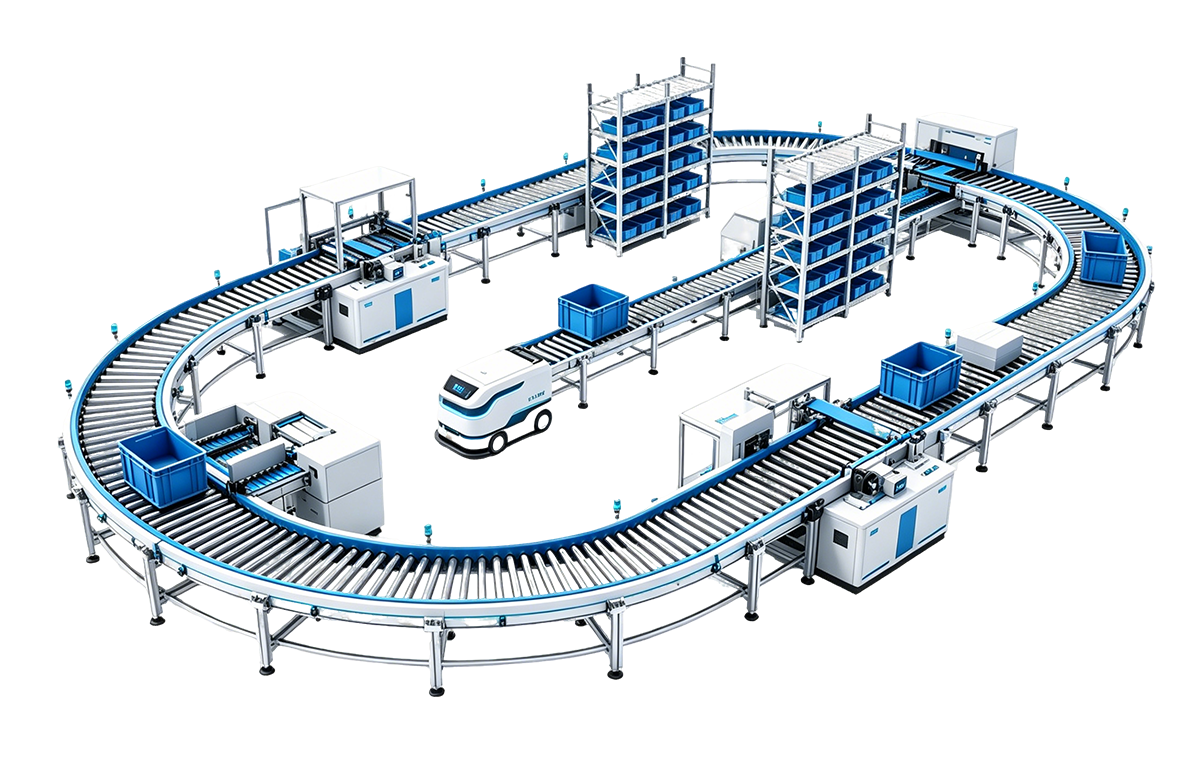
Problems

Frequent manual handlingLow inbound/outbound efficiency
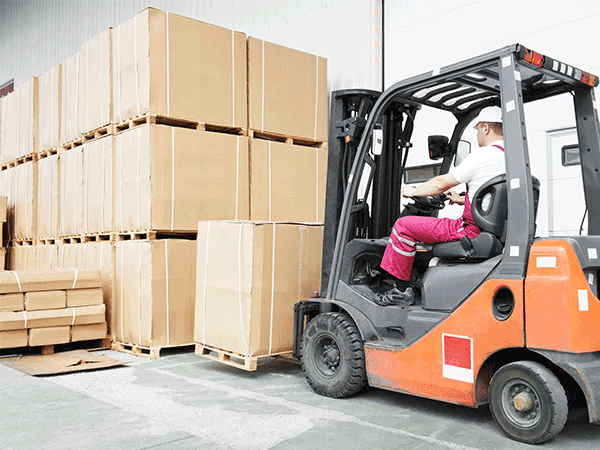
Staff shortagesLow operational efficiency
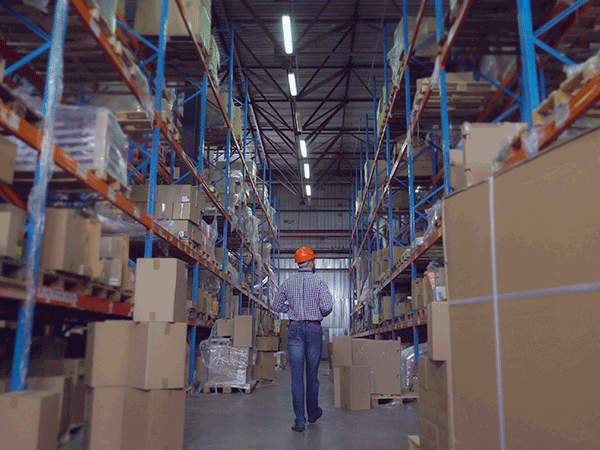
Delayed inventory managementLow inventory accuracy
Capabilities
We focus not only on how equipment runs, but on whether each logistics step achieves clear management goals. From receiving to shipping, efficiency, accuracy, cost, and inventory data at every node should be measurable, traceable, and optimizable—this is why we deeply integrate equipment coordination with digital management.
KPI Analysis

Accuracy Metrics

Cost Reduction

Inventory Control
Equipment Types
Role in the system: Storage hub
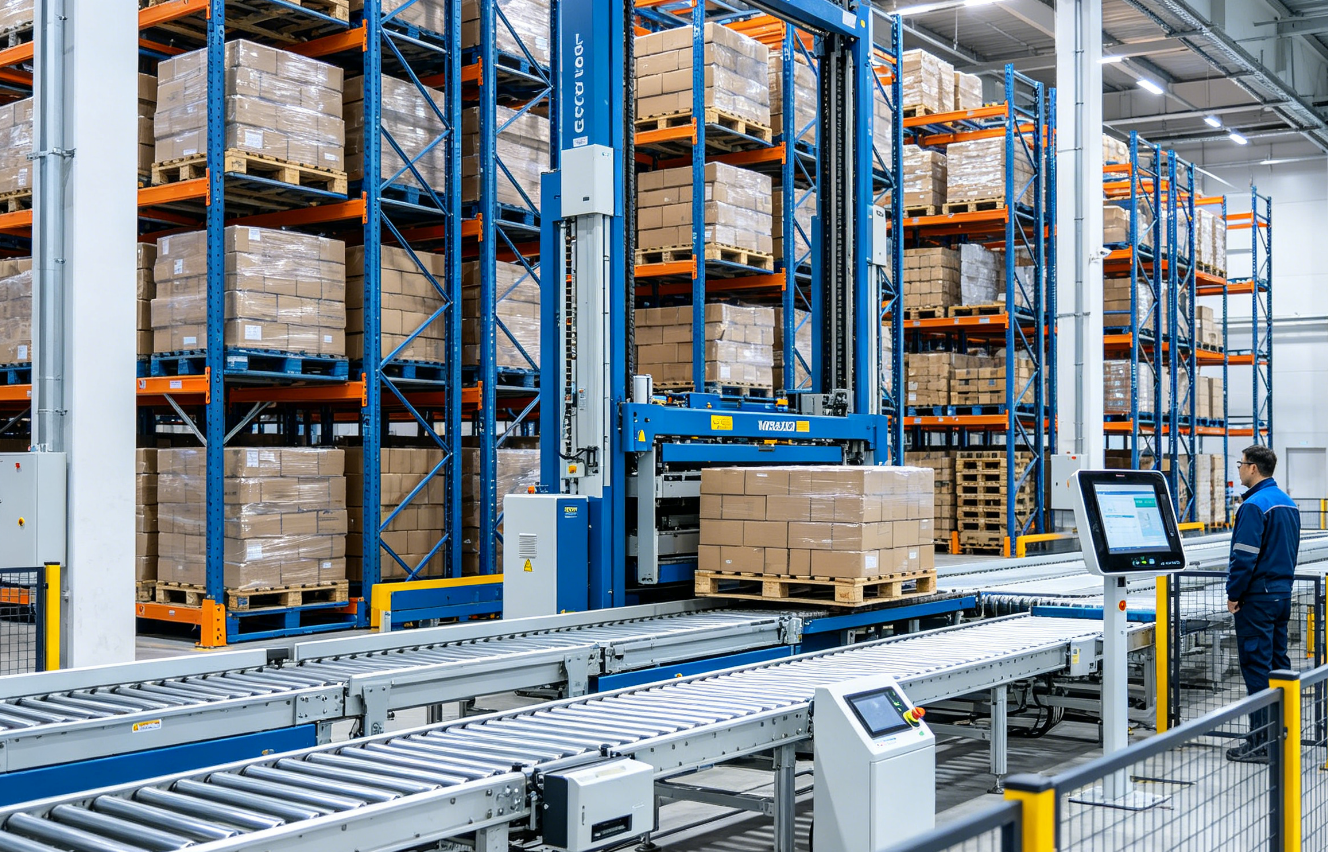
Composed of high-bay racking, stacker cranes, and control systems for high-density automated storage. Compared to flat warehouses, storage density increases 2–4× with aisle widths of only 1–1.5 meters.
Collaborative role: It does not work alone. Conveyors deliver goods inbound; stackers automatically put them away. On outbound, stackers retrieve goods and hand them to conveyors for the next step. We integrate AS/RS with conveyors and stackers to ensure a smooth store-retrieve-deliver closed loop.
Applicable scenarios: Finished goods warehouses, raw material warehouses, line-side storage—especially facilities where land is costly or floor space is limited.
Single Device VS Integrated Solution
Application Scenarios
A manufacturing company has its production workshop on the second floor and finished goods warehouse on the first floor.